Advances in Environmental Technology

Advances in Environmental Technology

Advances in Environmental Technology (AET), is an open access Double Blind Peer-reviewed Journal which is published by Iranian Research Organization for Science and Technology (IROST), AET is a quarterly publication which concerned with all fields of the forefront of original environmental research in science, engineering and technologies. AET peer reviewed full length research papers, short communications, case studies, and critical review papers reporting on major advances in environmental areas. This journal is following of Committee on Publication Ethics (COPE) and complies with the highest ethical standards in accordance with ethical laws. All submitted manuscripts are checked for similarity through Ithenticate software to ensure their authenticity to be assured about its originality and then rigorously peer-reviewed by the expert reviewers. AET complies the Committee on Publication Ethics (COPE) instructions and related national laws as well. (Read More...)


Journal Title Advances in Environmental Technology
P-ISSN 2476-6674
E-ISSN 2476-4779
Frequency Quarterly
Editor-in-Chief Jalal Shayegan, Ph.D.
Language English Abstracts & Full Texts
Plagiarism Checker iThenticate
Peer Review Policy Double-blind
Article Processing Charges See Here
Average Review Time 2-3 Months
Acceptance Rate 25%
Owner & Publisher Iranian Research Organization for Science and Technology (IROST)
In Collaboration With Iranian Association of Chemical Engineering

  Academia  

Current Issue: Volume 12, Issue 4, Autumn 2026 (Issue in Progress) 

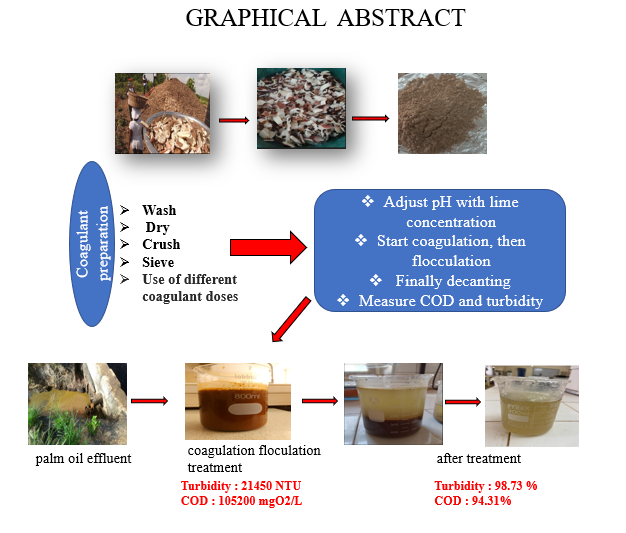
Optimization of coagulation–flocculation pretreatment of palm oil mill effluent using cassava peel as a natural coagulant

Pages 430-443

10.22104/aet.2026.7461.2076

M'besso Edith Christine YAPO, David Léonce KOUADIO, Djamatche Paul Valery AKESSE, Yapo Hermann Aristide YAPI, Kacou Alain Paterne DALOGO, Brou DIBI
<span>Optimization of coagulation–flocculation pretreatment of palm oil mill effluent using cassava peel as a natural coagulant</span>

Citrus aurantifolia–mediated AuNPs: Microplastic detection achieved, pesticide sensing explored

Pages 512-525

10.22104/aet.2026.8042.2259

Muhammad Bakhru Thohir, Grasianto Grasianto, Anggi Tri Nurhaliza, Heru Dwi Lestari
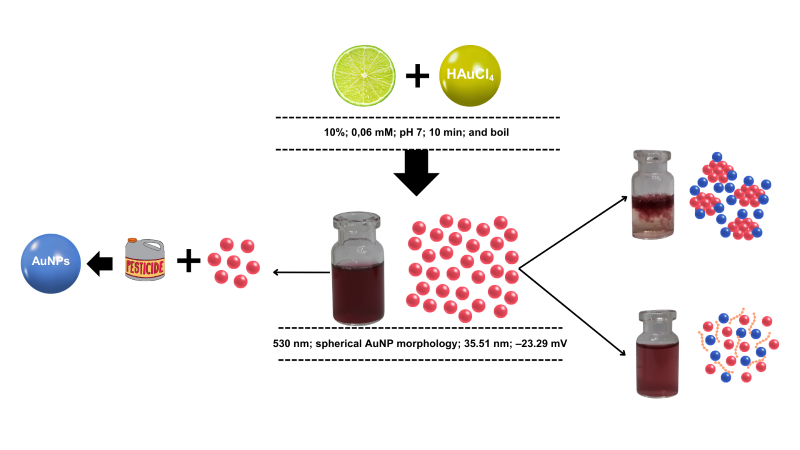
<span>Citrus aurantifolia–mediated AuNPs: Microplastic detection achieved, pesticide sensing explored</span>

Keywords Cloud

  • Adsorption
  • Wastewater treatment
  • Response surface methodology
  • Optimization
  • activated carbon
  • Wastewater
  • Photocatalytic degradation
  • Cadmium
  • Modeling
  • Bioremediation
  • Water Quality
  • Pollution
  • Biodegradation
  • Chitosan
  • Graphene Oxide
  • Photocatalyst
  • Methyl orange
  • Nitrate
  • waste management
  • Nanocomposite
  • Biogas
  • Green synthesis
  • photocatalysis
  • Copper
  • Photodegradation
  • Heavy metals
  • Isotherm
  • Titanium dioxide
  • nanoparticles
  • Response surface method
  • Degradation
  • phytoremediation
  • adsorption isotherm
  • TiO2
  • Artificial neural network
  • kinetic
  • Lead
  • AHP
  • Zeolite
  • EGR
  • Microalgae
  • water pollution
  • Bacteria
  • Mass transfer
  • Organic matter
  • Biochar
  • Nanofiltration
  • Hexavalent chromium
  • Methylene Blue
  • chemical oxygen demand
  • Municipal wastewater
  • Ultrafiltration
  • Injection timing
  • Biosorption
  • Kinetics
  • Multi-Walled Carbon Nanotubes
  • Coagulation
  • Life cycle assessment
  • Hollow fiber membrane
  • Membrane
  • catalyst loaded nanofiber
  • Immobilization
  • Ecological risk
  • Flare
  • heterogeneous catalyst
  • Water treatment
  • Performance
  • Manganese
  • Bentonite
  • Membrane fouling
  • Ultrasound
  • Leaching
  • nanoparticle
  • Antimicrobial Resistance
  • computational fluid dynamics
  • AERMOD
  • risk assessment
  • Groundwater
  • Antibacterial activity
  • Sustainable technology
  • Aspergillus niger
  • Nickel
  • Chemical oxygen demand (COD)
  • Visible light
  • bimetallic
  • hydraulic loading rate
  • Phenol
  • Water Reuse
  • Acid Mine Drainage
  • Physico-chemical parameters
  • Leachate treatment
  • Air pollution
  • Fertilizer
  • Spent Caustic wastewater
  • Adsorption kinetic
  • Antibiotics
  • Heavy metal
  • microorganisms
  • CFD
  • Modification
  • kinetic modeling
  • oily sludge
  • FMEA
  • Langmuir
  • Color removal
  • Sustainability
  • Hydrogen sulfide
  • Hybrid Constructed wetland
  • Environmental health
  • Phosphate
  • Leachate
  • Pesticides
  • Bioleaching
  • regeneration
  • SDS
  • Electrocoagulation
  • Sorption
  • Chlorella vulgaris
  • Decolorization
  • Exhaust emissions
  • Persian Gulf
  • contaminant transport
  • BOD
  • Nanofibers
  • Membrane technology
  • Batch system
  • HD diesel engine
  • Advanced Oxidation Process
  • anionic surfactant
  • SEM
  • Catalyst
  • Hydraulic retention time
  • Carbon Dioxide
  • Drinking water
  • Methanol biofuel
  • Emission
  • filtration
  • Voltage
  • Water use
  • food waste valorization
  • Soil pollution
  • metal complex
  • Biological upgrading
  • biodepuration
  • watershed
  • ZnS
  • rubidium
  • polystyrene
  • Imine-modified silica-coated magnetic nanoparticles
  • Textile Wastewater
  • Jatropha
  • Cocos nucifera
  • Pistia stratiotes
  • Methyl mercaptan
  • Tea residue
  • system exergy
  • Humic acid
  • Moringa Oleifera
  • extrusion
  • Cationic surfactant
  • ISM 370 diesel engine
  • Scenario
  • Larson– Skold index (L-SI)
  • Brine wastewater
  • Household Welfare
  • Photocatalytic Dye Degradation
  • Vapi
  • Economic index
  • Flood plain
  • Biodiesel-ethanol-diesel
  • heat release rate
  • Predictive modeling
  • Fuel oil hydrotreating
  • Catalyst Recycling
  • Jatropha curcas L
  • Waste Management Master Plan
  • Microcapillary
  • annoyance
  • SDGs
  • Cluster well drilling
  • Dielectric barrier discharge
  • dyeing
  • Volatile organic compounds
  • Mashhad city
  • SWOT
  • soil contamination
  • concentration polarization
  • Microbial degradation
  • Sulfonation
  • breakpoint chlorination
  • Precursors
  • Palm kernel waste
  • Pb(II) and Ni(II) adsorption
  • Construction and Demolition Waste
  • Manganese removal
  • Nano composite
  • Chlorobenzene Compounds
  • Biofilter
  • Pyrite particulate electrode
  • Carbacylamidophosphate