[1] Singh, H., Bhardwaj, N., Arya, S. K., & Khatri, M. (2020). Environmental impacts of oil spills and their remediation by magnetic nanomaterials. Environmental Nanotechnology, Monitoring & Management, 14, Article 100305.
[2] Zolfaghari, R., Fakhru’l-Razi, A., Abdullah, L. C., Elnashaie, S. S., & Pendashteh, A. (2016). Demulsification techniques of water-in-oil and oil-in-water emulsions in petroleum industry. Separation and Purification Technology, 170, 377–407.
[3] Abbaspour, M., Javid, A. H., Jalilzadeh Yengjeh, R., Hassani, A. H., & Mostafavi, P. G. (2013). The biodegradation of methyl tert-butyl ether (MTBE) by indigenous Bacillus cereus strain RJ1 isolated from soil. Petroleum Science and Technology, 31, 1835–1841.
[4] Skovhus, T. L., Eckert, R. B., & Rodrigues, E. (2017). Management and control of microbiologically influenced corrosion (MIC) in the oil and gas industry—Overview and a North Sea case study. Journal of Biotechnology, 256, 31–45.
[5] Sayed, K., Baloo, L., & Sharma, N. K. (2021). Bioremediation of total petroleum hydrocarbons (TPH) by bioaugmentation and biostimulation in water with floating oil spill containment booms as bioreactor basin. International Journal of Environmental Research and Public Health, 18(5), Article 2226.
[6] Bullock, R. J., Perkins, R. A., & Aggarwal, S. (2019). In-situ burning with chemical herders for Arctic oil spill response: Meta-analysis and review. Science of the Total Environment, 675, 705–716.
[7] Basak, S., Dangate, M. S., & Samy, S. (2024). Oil- and water-resistant paper coatings: A review. Progress in Organic Coatings, 186, Article 107938.
[8] Qu, M., Chen, Z., Lu, Y., Lee, K., & Hu, Q. (2026). Environmental hazards, risks, and management options of in situ burning residues from oil spills: A systematic review and future perspectives. Journal of Hazardous Materials Advances, 21, Article 101025.
[9] Mulligan, C. N. (2026). Sustainable remediation principles, guidelines and practices. KSCE Journal of Civil Engineering, 30, Article 100524.
[10] Markam, S. S., Raj, A., Kumar, A., & Khan, M. L. (2024). Microbial biosurfactants: Green alternatives and sustainable solution for augmenting pesticide remediation and management of organic waste. Current Research in Microbial Sciences, 7, Article 100266.
[11] Góngora, E., Chen, Y.-J., Ellis, M., Okshevsky, M., & Whyte, L. (2022). Hydrocarbon bioremediation on Arctic shorelines: Historic perspective and roadway to the future. Environmental Pollution, 305, Article 119247.
[12] Jalilzadeh Yengejeh, R., Sekhavatjou, M. S., Maktabi, P., Arbab Soleimani, N., Khadivi, S., & Pourjafarian, V. (2014). The biodegradation of crude oil by Bacillus subtilis isolated from contaminated soil in hot weather areas. International Journal of Environmental Research, 8, 509–514.
[13] Dhaka, A., & Chattopadhyay, P. (2021). A review on physical remediation techniques for treatment of marine oil spills. Journal of Environmental Management, 288, Article 112428.
[14] Narayanan, M. (2026). Withania-derived bioactive compounds in cancer treatment: phytochemical foundations and translational oncology. Advances in Traditional Medicine, 1-19. https://doi.org/10.1007/s13596-026-00919-0
[15] Narayanan, M. (2026). Heavy metal exposure among industrial workers: Mechanisms of toxicity, biomonitoring strategies and public health risk assessment. Discover Public Health, 23, Article 146.
[16] Vandermeulen, G. W., Boarino, A., & Klok, H. A. (2022). Biodegradation of water‐soluble and water‐dispersible polymers for agricultural, consumer, and industrial applications—Challenges and opportunities for sustainable materials solutions. Journal of Polymer Science, 60, 1797–1813.
[17] Karić, N., Maia, A. S., Teodorović, A., Atanasova, N., Langergraber, G., Crini, G., Ribeiro, A. R., & Đolić, M. (2022). Bio-waste valorisation: Agricultural wastes as biosorbents for removal of (in)organic pollutants in wastewater treatment. Chemical Engineering Journal Advances, 9, Article 100239.
[18] Giwa, A., Chalermthai, B., Shaikh, B., & Taher, H. (2023). Green dispersants for oil spill response: A comprehensive review of recent advances. Marine Pollution Bulletin, 193, Article 115118.
[19] Luciano, A., Cutaia, L., Altamura, P., & Penalvo, E. (2022). Critical issues hindering a widespread construction and demolition waste (CDW) recycling practice in EU countries and actions to undertake: The stakeholder’s perspective. Sustainable Chemistry and Pharmacy, 29, Article 100745.
[20] Thakur, A., & Koul, B. (2022). Impact of oil exploration and spillage on marine environments. In Advances in oil-water separation (pp. 115–135). Elsevier.
[21] Ruberg, E., Elliott, J., & Williams, T. (2021). Review of petroleum toxicity and identifying common endpoints for future research on diluted bitumen toxicity in marine mammals. Ecotoxicology, 30, 537–551.
[22]Zajicek, P., Corbin, J., Belle, S., & Rheault, R. (2023). Refuting marine aquaculture myths, unfounded criticisms, and assumptions. Reviews in Fisheries Science & Aquaculture, 31, 1–28.
[23]Sivalingam, A. M., & Pandian, A. (2024). Identification and characterization of silver nanoparticles from Erythrina indica and its antioxidant and uropathogenic antimicrobial properties. Microbial Pathogenesis, 190, Article 106635.
[24]Mahari, W. A. W., Waiho, K., Azwar, E., Fazhan, H., Peng, W., Ishak, S. D., Tabatabaei, M., Yek, P. N. Y., Almomani, F., & Aghbashlo, M. (2022). A state-of-the-art review on producing engineered biochar from shellfish waste and its application in aquaculture wastewater treatment. Chemosphere, 288, Article 132559.
[25]Gaur, M. L. (2022). Catchment scale forest-water interfaces for pollution management. In Water quality, assessment and management in India (pp. 71–111). Springer.
[26] Ossai, I. C., Ahmed, A., Hassan, A., & Hamid, F. S. (2020). Remediation of soil and water contaminated with petroleum hydrocarbon: A review. Environmental Technology & Innovation, 17, Article 100526.
[27]Al-Shargabi, M., Davoodi, S., Wood, D. A., Ali, M., Rukavishnikov, V. S., & Minaev, K. M. (2022). A critical review of self-diverting acid treatments applied to carbonate oil and gas reservoirs. Petroleum Science.
[28] Hoang, A. T., Nguyen, X. P., Duong, X. Q., & Huynh, T. T. (2021). Sorbent-based devices for the removal of spilled oil from water: A review. Environmental Science and Pollution Research, 28, 28876–28910.
[29] Bacosa, H. P., Ancla, S. M. B., Arcadio, C. G. L. A., Dalogdog, J. R. A., Ellos, D. M. C., Hayag, H. D. A., Jarabe, J. G. P., Karim, A. J. T., Navarro, C. K. P., & Palma, M. P. I. (2022). From surface water to the deep sea: A review on factors affecting the biodegradation of spilled oil in marine environment. Journal of Marine Science and Engineering, 10(3), Article 426.
[30] Van Sebille, E., Aliani, S., Law, K. L., Maximenko, N., Alsina, J. M., Bagaev, A., Bergmann, M., Chapron, B., Chubarenko, I., & Cózar, A. (2020). The physical oceanography of the transport of floating marine debris. Environmental Research Letters, 15(2), Article 023003.
[31] Beyer, J., Trannum, H. C., Bakke, T., Hodson, P. V., & Collier, T. K. (2016). Environmental effects of the Deepwater Horizon oil spill: A review. Marine Pollution Bulletin, 110, 28–51.
[32] Narayanan, M. (2025). An evaluation of antibacterial, antioxidant, and biocompatibility (hemocompatibility) nature of green synthesized ZnONPs: an in-vitro approach. Dubai medical journal, 1-11.
[33]Rideout, R., Litvak, M., & Trippel, E. (2003). The development of a sperm cryopreservation protocol for winter flounder Pseudopleuronectes americanus (Walbaum): Evaluation of cryoprotectants and diluents. Aquaculture Research, 34, 653–659.
[34] Okeke, E. S., Okoye, C. O., Ezeorba, T. P. C., Mao, G., Chen, Y., Xu, H., Song, C., Feng, W., & Wu, X. (2022). Emerging bio-dispersant and bioremediation technologies as environmentally friendly management responses toward marine oil spill: A comprehensive review. Journal of Environmental Management, 322, Article 116123.
[35]Zhao, Y., Zhang, L., Shen, J., Ma, L., & Wang, L. (2022). Effects of nutrients/nutrition on toxicants/toxicity. In Nutritional toxicology (pp. 1–28). Springer. https://doi.org/10.1007/978-981-19-0872-9_1
[36] Creswell, R. L., & McNevin, A. A. (2008). Better management practices for bivalve molluscan aquaculture. In Environmental best management practices for aquaculture (pp. 427–486).
[37]Saadoun, I. M. (2015). Impact of oil spills on marine life. In Emerging pollutants in the environment-current and further implications (Vol. 10, Article 60455).
[38] Philippe, A. S., Pinaud, D., Cayatte, M.-L., Goulevant, C., Lachaussée, N., Pineau, P., Karpytchev, M., & Bocher, P. (2016). Influence of environmental gradients on the distribution of benthic resources available for shorebirds on intertidal mudflats of Yves Bay, France. Estuarine, Coastal and Shelf Science, 174, 71–81.
[39] Kalter, V., & Passow, U. (2022). Quantitative review summarizing the effects of oil pollution on subarctic and arctic marine invertebrates. Environmental Pollution, Article 120960.
[40] Belaid, C., & Sbartai, I. (2021). Assessing the effects of Thiram to oxidative stress responses in a freshwater bioindicator cladoceran (Daphnia magna). Chemosphere, 268, Article 128808.
[41] Mahaye, N., & Musee, N. (2022). Effects of two antiretroviral drugs on the crustacean Daphnia magna in river water. Toxics, 10(8), Article 423.
[42]Narayanan, M., & Ma, Y. (2024). Recent progress on conservation and restoration of soil fertility for horticulture. Chemosphere, 362, Article 142599.
[43] Liu, S., Deng, X., & Bai, L. (2021). Developmental toxicity and transcriptome analysis of zebrafish (Danio rerio) embryos following exposure to chiral herbicide safener benoxacor. Science of the Total Environment, 761, Article 143273.
[44] Geretto, M., Ferrari, M., De Angelis, R., Crociata, F., Sebastiani, N., Pulliero, A., Au, W., & Izzotti, A. (2021). Occupational exposures and environmental health hazards of military personnel. International Journal of Environmental Research and Public Health, 18(10), Article 5395.
[45] Sun, J., Ma, Y., Qin, H., Li, Z., & Pan, L. (2022). An integrated approach using chemical ecological risk assessment and multi-integrated biomarker indexes approach to assess pollution: A case study of Ruditapes philippinarum in four bays on the Shandong Peninsula in China. Environmental Research, 203, Article 111793.
[46] Presta, M. L., Riccialdelli, L., Bruno, D. O., Castro, L. R., Fioramonti, N. E., Florentín, O. V., Berghoff, C. F., Capitanio, F. L., & Lovrich, G. A. (2023). Mesozooplankton community structure and trophic relationships in an austral high-latitude ecosystem (Beagle Channel): The role of bottom-up and top-down forces during springtime. Journal of Marine Systems, 240, Article 103881.
[47]Narayanan, M. (2024). Biorefinery products from algal biomass by advanced biotechnological and hydrothermal liquefaction approaches. Discover Applied Sciences, 6, Article 146.
[48] Guida, F., Masetti, R., Andreozzi, L., Zama, D., Fabi, M., Meli, M., Prete, A., & Lanari, M. (2022). The role of nutrition in primary and secondary prevention of cardiovascular damage in childhood cancer survivors. Nutrients, 14(16), Article 3279.
[49] Vasconcelos, V., Azevedo, J., Silva, M., & Ramos, V. (2010). Effects of marine toxins on the reproduction and early stages development of aquatic organisms. Marine Drugs, 8(1), 59–79.
[50] Othman, H. B., Pick, F. R., Hlaili, A. S., & Leboulanger, C. (2023). Effects of polycyclic aromatic hydrocarbons on marine and freshwater microalgae–A review. Journal of Hazardous Materials, 441, Article 129869.
[51] Sivalingam, A. M., & Pandian, A. (2025). Antihyperglycemic activity of polyphenolic metabolites and biosynthesized silver nanoparticles from Pedalium murex: Characterization and application of antioxidant and uropathogenic antimicrobial activities. Microbial Pathogenesis, 205, Article 107620.
[52]de Santana, D. C. N., Perina, F. C., Lourenço, R. A., da Silva, J., Moreira, L. B., & de Souza Abessa, D. M. (2021). Levels of hydrocarbons and toxicity of water-soluble fractions of maritime fuels on neotropical invertebrates. Ecotoxicology, 30, 2109–2118.
[53]Sivalingam, A. M., & Pandian, A. (2024). Cerebellar roles in motor and social functions and implications for ASD. The Cerebellum, 23, 2564–2574.
[54] Ayyam, V., Palanivel, S., & Chandrakasan, S. (2019). Coastal ecosystems of the tropics – Adaptive management. Springer.
[55] Jaleel, A. (2013). The status of the coral reefs and the management approaches: The case of the Maldives. Ocean & Coastal Management, 82, 104–118.
[56] Gozlan, R., Karimov, B., Zadereev, E., Kuznetsova, D., & Brucet, S. (2019). Status, trends, and future dynamics of freshwater ecosystems in Europe and Central Asia. Inland Waters, 9(1), 78–94.
[57]Silva, D. P., Villela, H. D., Santos, H. F., Duarte, G. A., Ribeiro, J. R., Ghizelini, A. M., Vilela, C. L., Rosado, P. M., Fazolato, C. S., & Santoro, E. P. (2021). Multi-domain probiotic consortium as an alternative to chemical remediation of oil spills at coral reefs and adjacent sites. Microbiome, 9, Article 118.
[58] Shafir, S., Van Rijn, J., & Rinkevich, B. (2007). Short and long term toxicity of crude oil and oil dispersants to two representative coral species. Environmental Science & Technology, 41(15), 5571–5574.
[59] Weis, J. S. (2014). Developmental processes later in life. In Physiological, developmental and behavioral effects of marine pollution (pp. 253–297). Springer.
[60] Turner, N. R., & Renegar, D. A. (2017). Petroleum hydrocarbon toxicity to corals: A review. Marine Pollution Bulletin, 119(1), 1–16.
[61] Fingas, M. (2011). Oil spill dispersants: A technical summary. In Oil spill science and technology (pp. 435–582). Elsevier.
[62] Amutha, C., Bupesh, G., Ramesh, R., Kavitha, P., & Subramanian, P. (2009). Cytochrome P450-dependent mixed function oxidases (MFO) system dynamics during the poly aromatic hydrocarbon (PAH) metabolism in green mussel Perna viridis (Linnaeus, 1758). Environmental Bioindicators, 4(1), 97–116.
[63] Narayanan, M. (2023). Origination, fate, accumulation, and impact, of microplastics in a marine ecosystem and bio/technological approach for remediation: A review. Process Safety and Environmental Protection, 177, 472–485.
[64] Jackson, J. B. (2010). The future of the oceans past. Philosophical Transactions of the Royal Society B: Biological Sciences, 365(1558), 3765–3778.
[65] Duffy, T. A., Childress, W., Portier, R., & Chesney, E. J. (2016). Responses of bay anchovy (Anchoa mitchilli) larvae under lethal and sublethal scenarios of crude oil exposure. Ecotoxicology and Environmental Safety, 134, 264–272.
[66] Alves, R. N., & Agusti, S. (2020). Effect of ultraviolet radiation (UVR) on the life stages of fish. Reviews in Fish Biology and Fisheries, 30, 335–372.
[67] Mearns, A. J., Bissell, M., Morrison, A. M., Rempel‐Hester, M. A., Arthur, C., & Rutherford, N. (2019). Effects of pollution on marine organisms. Water Environment Research, 91(10), 1229–1252.
[68] Loureiro, M. L., Ribas, A., López, E., & Ojea, E. (2006). Estimated costs and admissible claims linked to the Prestige oil spill. Ecological Economics, 59(1), 48–63.
[69] Blann, K. L., Anderson, J. L., Sands, G. R., & Vondracek, B. (2009). Effects of agricultural drainage on aquatic ecosystems: A review. Critical Reviews in Environmental Science and Technology, 39(11), 909–1001. https://doi.org/10.1080/10643380801977966
[70] Prabowo, A. R., & Bae, D. M. (2019). Environmental risk of maritime territory subjected to accidental phenomena: Correlation of oil spill and ship grounding in the Exxon Valdez’s case. Results in Engineering, 4, Article 100035.
[71] Rita de Cássia, F., Luna, J. M., Rufino, R. D., & Sarubbo, L. A. (2021). Ecotoxicity of the formulated biosurfactant from Pseudomonas cepacia CCT 6659 and application in the bioremediation of terrestrial and aquatic environments impacted by oil spills. Process Safety and Environmental Protection, 154, 338–347.
[72]Korotcov, A., Tkachenko, V., Russo, D. P., & Ekins, S. (2017). Comparison of deep learning with multiple machine learning methods and metrics using diverse drug discovery data sets. Molecular Pharmaceutics, 14(12), 4462–4475.
[73]Meudec, A., Poupart, N., Dussauze, J., & Deslandes, E. (2007). Relationship between heavy fuel oil phytotoxicity and polycyclic aromatic hydrocarbon contamination in Salicornia fragilis. Science of the Total Environment, 381(1–3), 146–156.
[74]Billah, M. M., Bhuiyan, M. K. A., Amran, M. I. U. A., Cabral, A. C., & Garcia, M. R. D. (2022). Polycyclic aromatic hydrocarbons (PAHs) pollution in mangrove ecosystems: Global synthesis and future research directions. Reviews in Environmental Science and Bio/Technology, 21, 747–770.
[75]Hoang, S. A., Lamb, D., Seshadri, B., Sarkar, B., Choppala, G., Kirkham, M., & Bolan, N. S. (2021). Rhizoremediation as a green technology for the remediation of petroleum hydrocarbon-contaminated soils. Journal of Hazardous Materials, 401, Article 123282.
[76] Duke, N. C. (2016). Oil spill impacts on mangroves: Recommendations for operational planning and action based on a global review. Marine Pollution Bulletin, 109(2), 700–715.
[77] Narayanan, M. (2024). Evaluation of antibacterial (antibiofilm) activity potential of ZnONPs coated on wound dressing cloth. Dubai Medical Journal, 149-159. https://doi.org/10.18502/dmj.v7i3.17731
[78] Sellar, A. A., Jones, C. G., Mulcahy, J. P., Tang, Y., Yool, A., Wiltshire, A., O’Connor, F. M., Stringer, M., Hill, R., & Palmieri, J. (2019). UKESM1: Description and evaluation of the UK Earth System Model. Journal of Advances in Modeling Earth Systems, 11(12), 4513–4558.
[79] Miller, E., Potts, J., Cox, M., Miller, B., Calderan, S., Leaper, R., Olson, P., O’Driscoll, R., & Double, M. (2019). The characteristics of krill swarms in relation to aggregating Antarctic blue whales. Scientific Reports, 9, Article 16487.
[80] Helm, R. C., Costa, D. P., DeBruyn, T. D., O’Shea, T. J., Wells, R. S., & Williams, T. M. (2014). Overview of effects of oil spills on marine mammals. In Handbook of oil spill science and technology (pp. 455–475).
[81] Barati, G.-S., Borghei, S. M., Jalilzadeh Yengejeh, R., & Takdastan, A. (2023). Removal of COD and TOC from petroleum synthetic wastewater containing cyclic aromatic hydrocarbons using the photo-Fenton process by the Box-Behnken method. Journal of Advances in Environmental Health Research, 11(2), 72–81.
[82] Traboulsi, H., Cherian, M., Abou Rjeili, M., Preteroti, M., Bourbeau, J., Smith, B. M., Eidelman, D. H., & Baglole, C. J. (2020). Inhalation toxicology of vaping products and implications for pulmonary health. International Journal of Molecular Sciences, 21(10), Article 3495.
[83] Claeys, W., Van Hoecke, L., Lefere, S., Geerts, A., Verhelst, X., Van Vlierberghe, H., Degroote, H., Devisscher, L., Vandenbroucke, R. E., & Van Steenkiste, C. (2021). The neurogliovascular unit in hepatic encephalopathy. JHEP Reports, 3(5), Article 100352.
[84] Rajinikanth, V., & Narayanan, M. (2025). Lung Adenocarcinoma Detection in Histopathology Image with Fused Deep Features: A Study. In 2025 9th International Conference on Inventive Systems and Control (ICISC) (pp. 1233-1236). IEEE. https://doi.org/10.1109/ICISC65841.2025.11188136
[85] Zhang, B., Matchinski, E. J., Chen, B., Ye, X., Jing, L., & Lee, K. (2019). Marine oil spills—Oil pollution, sources and effects. In World seas: An environmental evaluation (pp. 391–406). Elsevier.
[86] Chronopoulou, P. M., Sanni, G. O., Silas‐Olu, D. I., van der Meer, J. R., Timmis, K. N., Brussaard, C. P., & McGenity, T. J. (2015). Generalist hydrocarbon‐degrading bacterial communities in the oil‐polluted water column of the North Sea. Microbial Biotechnology, 8(3), 434–447.
[87] Péquin, B., Cai, Q., Lee, K., & Greer, C. W. (2022). Natural attenuation of oil in marine environments: A review. Marine Pollution Bulletin, 176, Article 113464.
[88] Gaur, V. K., Gautam, K., Sharma, P., Gupta, P., Dwivedi, S., Srivastava, J. K., Varjani, S., Ngo, H. H., Kim, S.-H., & Chang, J.-S. (2022). Sustainable strategies for combating hydrocarbon pollution: Special emphasis on mobil oil bioremediation. Science of the Total Environment, 832, Article 155083.
[89] Nguyen, S. T., Do, N. D., Thai, N. N. T., Thai, Q. B., Huynh, H. K. P., & Phan, A. N. (2020). Green aerogels from rice straw for thermal, acoustic insulation and oil spill cleaning applications. Materials Chemistry and Physics, 253, Article 123363.
[90] Barati, G. S., Borghei, M., Jalilzadeh Yengejeh, R., & Takdastan, A. (2024). Investigating the performance of the photo-Fenton process of the naphthalene removal from petroleum wastewater. Iranian Journal of Chemistry and Chemical Engineering, 43(11), 4034–4046.
[91] Behdarvandan, P., Jalilzadeh Yengejeh, R., Sabzalipour, S., Roomiani, L., & Payandeh, K. (2020). Bioremediation of crude oil by indigenous species isolated from oil sludge contaminated soil. A case study: Karun Gas Oil Production Company, (Iran). Journal of Advances in Environmental Health Research, 8(4), 234–241.
[92] Khomarbaghi, Z., Shavandi, M., Amoozegar, M., & Dastgheib, S. (2019). Bacterial community dynamics during bioremediation of alkane- and PAHs-contaminated soil of Siri Island, Persian Gulf: A microcosm study. International Journal of Environmental Science and Technology, 16, 7849–7860.
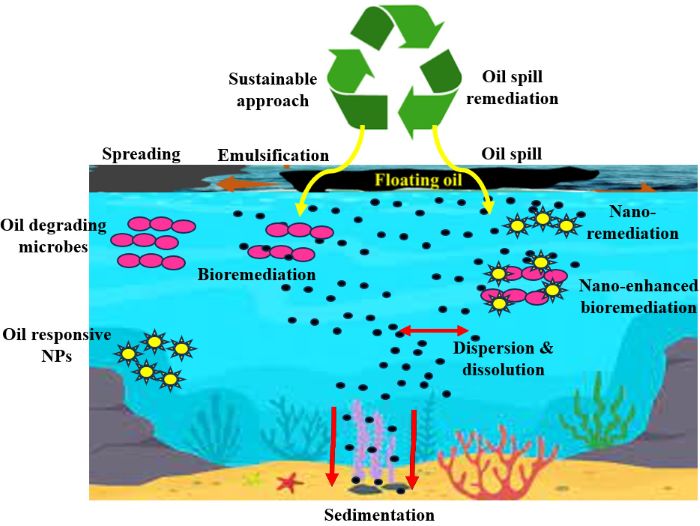
[93] Pete, A. J., Bharti, B., & Benton, M. G. (2021). Nano-enhanced bioremediation for oil spills: A review. ACS ES&T Engineering, 1(6), 928–946.
[94] Kimes, N. E., Callaghan, A. V., Aktas, D. F., Smith, W. L., Sunner, J., Golding, B., Drozdowska, M., Hazen, T. C., Suflita, J. M., & Morris, P. J. (2013). Metagenomic analysis and metabolite profiling of deep–sea sediments from the Gulf of Mexico following the Deepwater Horizon oil spill. Frontiers in Microbiology, 4, Article 50.
[95] Narayanan, M., & Rajinikanth, V. (2025). Diabetic retinopathy detection in retinal OCT images using fused deep features. In 2025 9th International Conference on Inventive Systems and Control (ICISC) (pp. 1241-1245). IEEE.
[96] Liu, H., Xu, J., Liang, R., & Liu, J. (2014). Characterization of the medium- and long-chain n-alkanes degrading Pseudomonas aeruginosa strain SJTD-1 and its alkane hydroxylase genes. PLoS ONE, 9(8), Article e105506.
[97] Boboye, B., Olukunle, O., & Adetuyi, F. (2010). Degradative activity of bacteria isolated from hydrocarbon-polluted site in Ilaje, Ondo State, Nigeria. African Journal of Microbiology Research, 4(23), 2484–2491.
[98] Kostka, J. E., Prakash, O., Overholt, W. A., Green, S. J., Freyer, G., Canion, A., Delgardio, J., Norton, N., Hazen, T. C., & Huettel, M. (2011). Hydrocarbon-degrading bacteria and the bacterial community response in Gulf of Mexico beach sands impacted by the Deepwater Horizon oil spill. Applied and Environmental Microbiology, 77(22), 7962–7974.
[99] Teramoto, M., Suzuki, M., Hatmanti, A., & Harayama, S. (2010). The potential of Cycloclasticus and Altererythrobacter strains for use in bioremediation of petroleum-aromatic-contaminated tropical marine environments. Journal of Bioscience and Bioengineering, 110(1), 48–52.
[100] Dellagnezze, B., Vasconcellos, S., Angelim, A., Melo, V., Santisi, S., Cappello, S., & Oliveira, V. (2016). Bioaugmentation strategy employing a microbial consortium immobilized in chitosan beads for oil degradation in mesocosm scale. Marine Pollution Bulletin, 107(1), 107–117.
[101] Jiang, C.-Y., Dong, L., Zhao, J.-K., Hu, X., Shen, C., Qiao, Y., Zhang, X., Wang, Y., Ismagilov, R. F., & Liu, S.-J. (2016). High-throughput single-cell cultivation on microfluidic streak plates. Applied and Environmental Microbiology, 82(7), 2210–2218.
[102] Bao, M., Chen, Q., Gong, Y., Li, Y., Wang, H., & Jiang, G. (2013). Removal efficiency of heavy oil by free and immobilised microorganisms on laboratory‐scale. The Canadian Journal of Chemical Engineering, 91(1), 1–8.
[103] Jin, H. M., Jeong, H. I., Kim, K. H., Hahn, Y., Madsen, E. L., & Jeon, C. O. (2016). Genome-wide transcriptional responses of Alteromonas naphthalenivorans SN2 to contaminated seawater and marine tidal flat sediment. Scientific Reports, 6, Article 21796.
[104] M Narayanan, M., & Rajinikanth, V. (2025). Classification of Brain MRI Slices into Control/AD using Butterfly Algorithm Selected Deep Features. In 2025 3rd International Conference on Sustainable Computing and Smart Systems (ICSCSS) (pp. 1509-1513). IEEE.
[105] Rahmati, F., Asgari Lajayer, B., Shadfar, N., van Bodegom, P. M., & van Hullebusch, E. D. (2022). A review on biotechnological approaches applied for marine hydrocarbon spills remediation. Microorganisms, 10(7), Article 1289.
[106] Mason, O. U., Scott, N. M., Gonzalez, A., Robbins-Pianka, A., Bælum, J., Kimbrel, J., Bouskill, N. J., Prestat, E., Borglin, S., & Joyner, D. C. (2014). Metagenomics reveals sediment microbial community response to Deepwater Horizon oil spill. The ISME Journal, 8(7), 1464–1475.
[107] Gittel, A., Donhauser, J., Røy, H., Girguis, P. R., Jørgensen, B. B., & Kjeldsen, K. U. (2015). Ubiquitous presence and novel diversity of anaerobic alkane degraders in cold marine sediments. Frontiers in Microbiology, 6, Article 1414.
[108] Narayanan, M. (2026). Energy-efficient Next-generation thin-film transistors enabled by amorphous oxide semiconductor materials. Journal of Electroceramics, 1-24.
[109] Nikolopoulou, M., Pasadakis, N., & Kalogerakis, N. (2013). Evaluation of autochthonous bioaugmentation and biostimulation during microcosm-simulated oil spills. Marine Pollution Bulletin, 72(1), 165–173.
[110] Vanishree, M., Thatheyus, A., & Ramya, D. (2014). Biodegradation of petrol using the fungus Penicillium sp. Science International, 2(1), 26–31.
[111] Pimda, W., & Bunnag, S. (2012). Biodegradation of used motor oil by Nostoc piscinale TISTR 8401. African Journal of Microbiology Research, 6(10), 2367–2372.
[112] Atyah, B. S., & Al-Mayaly, I. (2018). Biodegradation of crude oil by Anabaena variabilis isolated from Al-Dora Refinery. IOSR Journal of Pharmacy and Biological Sciences, 13(3), 51–56.
[113] Rajinikanth, V., & Narayanan, M. (2025). Parkinson's disease screening using spiral handsketch with lightweight deep learning. In 2025 9th International Conference on Inventive Systems and Control (ICISC) (pp. 1237-1240). IEEE.
[114] Kumar, V., Shahi, S., & Singh, S. (2018). Bioremediation: An eco-sustainable approach for restoration of contaminated sites. In Microbial bioprospecting for sustainable development (pp. 115–136). Springer.
[115] Hazaimeh, M. D., & Ahmed, E. S. (2021). Bioremediation perspectives and progress in petroleum pollution in the marine environment: A review. Environmental Science and Pollution Research, 28, 54238–54259.
[116] Mu, L., Zhou, Q., Zhao, Y., Liu, X., & Hu, X. (2019). Graphene oxide quantum dots stimulate indigenous bacteria to remove oil contamination. Journal of Hazardous Materials, 366, 694–702.
[117] Cunningham, C., Ivshina, I., Lozinsky, V., Kuyukina, M., & Philp, J. (2004). Bioremediation of diesel-contaminated soil by microorganisms immobilised in polyvinyl alcohol. International Biodeterioration & Biodegradation, 54(2–3), 167–174.
[118] Warr, L. N., Schlüter, M., Schauer, F., Olson, G. M., Basirico, L. M., & Portier, R. J. (2018). Nontronite-enhanced biodegradation of Deepwater Horizon crude oil by Alcanivorax borkumensis. Applied Clay Science, 158, 11–20.
[119] Jalilzadeh Yengejeh, R., Pourjafarian, V., Afrous, A., Gholami, A., Maktabi, P., & Sharifi, R. (2017). Studying Bacillus cereus’s ability to biodegrade crude oil in hot areas. Petroleum Science and Technology, 35(3), 287–291.
[120] Omarova, M., Swientoniewski, L. T., Tsengam, I. K. M., Panchal, A., Yu, T., Blake, D. A., Lvov, Y. M., Zhang, D., & John, V. (2018). Engineered clays as sustainable oil dispersants in the presence of model hydrocarbon degrading bacteria: The role of bacterial sequestration and biofilm formation. ACS Sustainable Chemistry & Engineering, 6(11), 14143–14153.
[121] Cheng, H., Li, Z., Li, Y., Shi, Z., Bao, M., Han, C., & Wang, Z. (2020). Multi-functional magnetic bacteria as efficient and economical Pickering emulsifiers for encapsulation and removal of oil from water. Journal of Colloid and Interface Science, 560, 349–358.
[122] Bhadra, S., Chettri, D., & Kumar Verma, A. (2023). Biosurfactants: Secondary metabolites involved in the process of bioremediation and biofilm removal. Applied Biochemistry and Biotechnology, 195, 5541–5567.
[123] Selva Filho, A. A. P., Converti, A., Soares da Silva, R. d. C. F., & Sarubbo, L. A. (2023). Biosurfactants as multifunctional remediation agents of environmental pollutants generated by the petroleum industry. Energies, 16(3), Article 1209.
[124] Fenibo, E. O., Ijoma, G. N., Selvarajan, R., & Chikere, C. B. (2019). Microbial surfactants: The next generation multifunctional biomolecules for applications in the petroleum industry and its associated environmental remediation. Microorganisms, 7(11), Article 581.
[125] Unimke, A. A., Okezie, O., Mohammed, S. a. E., Mmuoegbulam, A. O., Abdullahi, S., Ofon, U. A., Olim, D. M., Badamasi, H., Galadima, A. I., & Fatunla, O. K. (2024). Microbe–plant–nanoparticle interactions: Role in bioremediation of petroleum hydrocarbons. Water Science & Technology, 90(10), 2870–2893.
[126] Arora, S., Saxena, S., Sutaria, D., & Sethi, J. (2022). Bioremediation: An ecofriendly approach for the treatment of oil spills. In Advances in oil-water separation (pp. 353–373). Elsevier.
[127] Bala, S., Garg, D., Thirumalesh, B. V., Sharma, M., Sridhar, K., Inbaraj, B. S., & Tripathi, M. (2022). Recent strategies for bioremediation of emerging pollutants: A review for a green and sustainable environment. Toxics, 10(8), Article 484.
[128] Rajinikanth, V., & Narayanan, M. (2025, August). Lightweight Deep Learning Scheme for Lung Cancer Detection from CT Slices. In 2025 3rd International Conference on Sustainable Computing and Smart Systems (ICSCSS) (pp. 1500-1503). IEEE. https://doi.org/10.1109/ICSCSS64956.2025.11501159.
[129] Nwankwegu, A. S., Zhang, L., Xie, D., Onwosi, C. O., Muhammad, W. I., Odoh, C. K., Sam, K., & Idenyi, J. N. (2022). Bioaugmentation as a green technology for hydrocarbon pollution remediation. Problems and prospects. Journal of Environmental Management, 304, Article 114313.
[130] Dzionek, A., Wojcieszyńska, D., Adamczyk-Habrajska, M., & Guzik, U. (2020). Enhanced degradation of naproxen by immobilization of Bacillus thuringiensis B1 (2015b) on loofah sponge. Molecules, 25(4), Article 872.
[131] Narayanan, M. (2026). Marine bioactive compounds in the management of zoonotic parasitic diseases: public health ramifications, mechanisms, and translational prospects. Microbial Pathogenesis, 108574. https://doi.org/10.1016/j.micpath.2026.108574
[132] Somu, P., Narayanasamy, S., Gomez, L. A., Rajendran, S., Lee, Y. R., & Balakrishnan, D. (2022). Immobilization of enzymes for bioremediation: A future remedial and mitigating strategy. Environmental Research, 212, Article 113411.
[133] Partovinia, A., Khanpour-Alikelayeh, E., Talebi, A., & Kermanian, H. (2023). Improving mass transfer rates in microbial cell immobilization system for environmental applications: Synergistic interaction of cells on crude oil biodegradation. Journal of Environmental Management, 326, Article 116729.
[134] Barradas, T. N., & de Holanda e Silva, K. G. (2021). Nanoemulsions of essential oils to improve solubility, stability and permeability: A review. Environmental Chemistry Letters, 19, 1153–1171.
[135] Nouri, A., Shirvan, A. R., Li, Y., & Wen, C. (2023). Surface modification of additively manufactured metallic biomaterials with active antipathogenic properties. Smart Materials in Manufacturing, 1, Article 100001.
[136] Rafeeq, H., Afsheen, N., Rafique, S., Arshad, A., Intisar, M., Hussain, A., Bilal, M., & Iqbal, H. M. (2023). Genetically engineered microorganisms for environmental remediation. Chemosphere, 310, Article 136751.
[137] Narayanan, M. (2026). Heavy metal exposure among industrial workers mechanisms of toxicity biomonitoring strategies and public health risk assessment. Discover Public Health, 23(1), 146.
[138] Alma’abadi, A., Behzad, H., Alarawi, M., Conchouso, D., Saito, Y., Hosokawa, M., Nishikawa, Y., Kogawa, M., Takeyama, H., & Mineta, K. (2022). Identification of lipolytic enzymes using high-throughput single-cell screening and sorting of a metagenomic library. New Biotechnology, 70, 102–108.
[139] Narayanan, M., & Rajinikanth, V. (2025). Chemical compounds with anticancer potentials from marine: Towards cancer therapy-a literature review. Regenerative Engineering and Translational Medicine, 1-20. https://doi.org/10.1007/s40883-025-00517-7
[140] Saratale, R. G., Cho, S.-K., Saratale, G. D., Kadam, A. A., Ghodake, G. S., Kumar, M., Bharagava, R. N., Kumar, G., Kim, D. S., & Mulla, S. I. (2021). A comprehensive overview and recent advances on polyhydroxyalkanoates (PHA) production using various organic waste streams. Bioresource Technology, 325, Article 124685.
[141] Fasani, E., Manara, A., Martini, F., Furini, A., & DalCorso, G. (2018). The potential of genetic engineering of plants for the remediation of soils contaminated with heavy metals. Plant, Cell & Environment, 41(5), 1201–1232.
[142] Karbul, A., Mohammadi, M. K., Yengejeh, R. J., & Farrokhian, F. (2021). Synthesis and characterization of trimetallic Fe-Co-V/zeolite and Fe-Co-Mo/zeolite composite nanostructures. Materials Research, 24, Article e20200292.
[143] Rajinikanth, V., & Narayanan, M. (2025, October). Detection of Concrete Crack Using Digital Images with Deep Transfer Learning: A Study. In 2025 9th International Conference on I-SMAC (IoT in Social, Mobile, Analytics and Cloud)(I-SMAC) (pp. 1648-1652). IEEE.
[144] Bayati, F., Mohammadi, M. K., Yengejeh, R. J., & Babaei, A. A. (2021). Ag₂O/GO/TiO₂ composite nanoparticles: Synthesis, characterization, and optical studies. Journal of the Australian Ceramic Society, 57, 287–293.
[145] Narayanan, M., & Rajinikanth, V. (2025, August). Normal/DME Classification in Retinal OCT Images with EfficientNetV2 Models and Ensembel-Features. In 2025 3rd International Conference on Sustainable Computing and Smart Systems (ICSCSS) (pp. 1504-1508). IEEE.
[146] Rando, G., Sfameni, S., Galletta, M., Drommi, D., Cappello, S., & Plutino, M. R. (2022). Functional nanohybrids and nanocomposites development for the removal of environmental pollutants and bioremediation. Molecules, 27(15), Article 4856.
[147] Socoliuc, V., Peddis, D., Petrenko, V. I., Avdeev, M. V., Susan-Resiga, D., Szabó, T., Turcu, R., Tombácz, E., & Vékás, L. (2020). Magnetic nanoparticle systems for nanomedicine—A materials science perspective. Magnetochemistry, 6(1), Article 2.
[148] Archibong, F. N., Orakwe, L. C., Ogah, O. A., Mbam, S. O., Ajah, S. A., Okechukwu, M. E., Igberi, C. O., Okafor, K. J., Chima, M. O., & Ikelle, I. I. (2023). Emerging progress in montmorillonite rubber/polymer nanocomposites: A review. Journal of Materials Science, 58, 2396–2429.
[149] Davoodi, S., Al-Shargabi, M., Wood, D. A., Rukavishnikov, V. S., & Minaev, K. M. (2022). Experimental and field applications of nanotechnology for enhanced oil recovery purposes: A review. Fuel, 324, Article 124669.
[150] Naser, S. S., Ghosh, B., Simnani, F. Z., Singh, D., Choudhury, A., Nandi, A., Sinha, A., Jha, E., Panda, P. K., & Suar, M. (2023). Emerging trends in the application of green synthesized biocompatible ZnO nanoparticles for translational paradigm in cancer therapy. Journal of Nanotheranostics, 4(3), 248–279.
[151] Hussein, H. A., Nazir, M. S., Azra, N., Qamar, Z., Seeni, A., Tengku Din, T. A. D. A.-A., & Abdullah, M. A. (2022). Novel drug and gene delivery system and imaging agent based on marine diatom biosilica nanoparticles. Marine Drugs, 20(8), Article 480.
[152] Ojha, S., Singh, D., Sett, A., Chetia, H., Kabiraj, D., & Bora, U. (2018). Nanotechnology in crop protection. In Nanomaterials in plants, algae, and microorganisms (pp. 345–391). Elsevier.
[153] Nikolova, C., & Gutierrez, T. (2020). Use of microorganisms in the recovery of oil from recalcitrant oil reservoirs: Current state of knowledge, technological advances and future perspectives. Frontiers in Microbiology, 10, Article 2996.
[154] Patel, J., Borgohain, S., Kumar, M., Rangarajan, V., Somasundaran, P., & Sen, R. (2015). Recent developments in microbial enhanced oil recovery. Renewable and Sustainable Energy Reviews, 52, 1539–1558.
[155] Sayed, K., Baloo, L., Kutty, S. R. B., & Makba, F. (2021). Potential biodegradation of Tapis Light Crude Petroleum Oil, using palm oil mill effluent final discharge as biostimulant for isolated halotolerant Bacillus strains. Marine Pollution Bulletin, 172, Article 112863.
[156] Dikshit, P. K., Kumar, J., Das, A. K., Sadhu, S., Sharma, S., Singh, S., Gupta, P. K., & Kim, B. S. (2021). Green synthesis of metallic nanoparticles: Applications and limitations. Catalysts, 11(8), Article 902.
[157] Maier, R. M., & Gentry, T. J. (2015). Microorganisms and organic pollutants. In Environmental microbiology (pp. 377–413). Elsevier.
[158] Lisuzzo, L., Cavallaro, G., Milioto, S., & Lazzara, G. (2022). Pickering emulsions stabilized by halloysite nanotubes: From general aspects to technological applications. Advanced Materials Interfaces, 9(10), Article 2102346.
[159] Younis, S. A., Maitlo, H. A., Lee, J., & Kim, K.-H. (2020). Nanotechnology-based sorption and membrane technologies for the treatment of petroleum-based pollutants in natural ecosystems and wastewater streams. Advances in Colloid and Interface Science, 275, Article 102071.
[160] Lu, T., Gou, H., Rao, H., & Zhao, G. (2021). Recent progress in nanoclay-based Pickering emulsion and applications. Journal of Environmental Chemical Engineering, 9(5), Article 105941.
[161] Panchal, A., Swientoniewski, L. T., Omarova, M., Yu, T., Zhang, D., Blake, D. A., John, V., & Lvov, Y. M. (2018). Bacterial proliferation on clay nanotube Pickering emulsions for oil spill bioremediation. Colloids and Surfaces B: Biointerfaces, 164, 27–33.
[162] Xu, S., Zhang, X., & Liu, P. (2018). Lipid droplet proteins and metabolic diseases. Biochimica et Biophysica Acta (BBA) - Molecular Basis of Disease, 1864(5), 1968–1983.
[163] Rajinikanth, V., & Narayanan, M. (2025, October). Solar Panel Region Extraction in Drone Collected Images Using Image Pre-Processing and Segmentation. In 2025 9th International Conference on I-SMAC (IoT in Social, Mobile, Analytics and Cloud)(I-SMAC) (pp. 902-906). IEEE.
[164] Shyam, B., Phukan, R., & Das, C. (2022). Bioremediation of oil spill cleanup: Case studies of two major oil spills. In North-East Research Conclave (pp. 117–133). Springer.
[165] Lu, G., Chio, C., Chen, Y., Kozinski, J., & Qin, W. (2026). Remediation of petroleum hydrocarbon-contaminated soils: Techniques, mechanisms, and future perspectives. Water, Air, & Soil Pollution, 237, Article 767.
[166] Carvalho, S. C., Alves, F., Azeiteiro, U. M., & Meira‐Cartea, P. A. (2012). Sociocultural and educational factors in the sustainability of coastal zones: The Prestige oil spill in Galicia, ten years later. Management of Environmental Quality: An International Journal, 23(4), 362–382.
[167] Srinivasan, M., Kaullysing, D., Bhagooli, R., & Pratt, S. (2022). Marine tourism and the blue economy: Perspectives from the Mascarene and Pacific Islands. In Blue economy: An ocean science perspective (pp. 153–189). Springer.
[168] Bui, N. A., Oh, Y., & Lee, I. (2024). Oil spill detection and classification through deep learning and tailored data augmentation. International Journal of Applied Earth Observation and Geoinformation, 129, Article 103845.
[169] Wang, Z., Huang, Y., Zhang, G., Wang, Z., Chen, Z., Mulligan, C. N., Li, S. S., Elektorowicz, M., Li, B., Lee, K., & An, C. (2026). Artificial intelligence for marine oil spill management: Recent advances and future directions. Marine Environmental Research, 219, Article 108108.
[170] Loganathan, P. (2026). Harnessing artificial intelligence and machine learning for next-generation bioremediation. Chemical Engineering Journal Advances, 25, Article 101052.